Apple to Apple: A Unique Font for Creative Expression
In the ever-evolving world of design and typography, a new player has emerged that is capturing the attention of professionals, creators, and entrepreneurs alike. Apple to Apple is not just another font—it's a creative tool that brings a fresh, natural, and fun aesthetic to digital and print projects. With its unique style and versatile applications, Apple to Apple is quickly becoming a favorite among those who value both functionality and visual appeal in their work.
What is Apple to Apple?
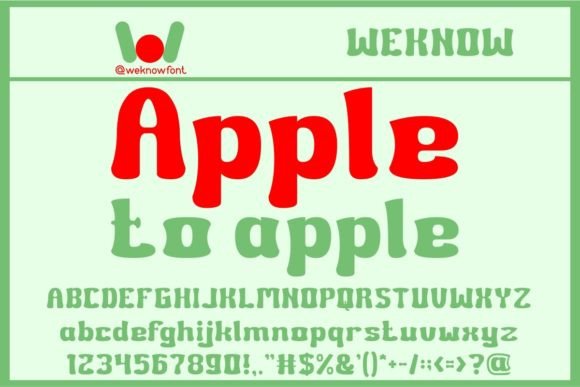
Apple to Apple is a display font that stands out for its whimsical and expressive character. Designed with a playful yet sophisticated edge, it blends the organic feel of hand-drawn typography with the clarity and readability required for modern design. The font’s name itself suggests a sense of continuity and connection, which is reflected in its visual structure—each letter flows naturally, creating a cohesive and harmonious look.
Unlike many other fonts that aim for uniformity, Apple to Apple embraces imperfection and individuality. Its irregularities and subtle variations give it a human touch, making it ideal for projects that require a personal or artistic flair. Whether used in branding, web design, or social media content, Apple to Apple adds a distinctive personality that sets it apart from more conventional typefaces.
The Rise of Expressive Typography
The growing popularity of Apple to Apple aligns with a broader trend in the design industry: the shift toward expressive and emotionally resonant typography. As businesses and creators seek to stand out in a crowded market, they are turning to fonts that convey more than just information—they communicate tone, mood, and identity.
This trend is particularly relevant in the digital age, where visual storytelling plays a crucial role in engaging audiences. Apple to Apple fits perfectly into this landscape, offering a font that is both aesthetically pleasing and capable of conveying a wide range of emotions. Its natural flow and unique character make it an excellent choice for projects that aim to connect with viewers on a deeper level.
Why Apple to Apple is Gaining Attention
One of the key reasons why Apple to Apple is gaining traction is its ability to adapt to different design contexts. From logos and packaging to website headers and marketing materials, this font can be used in a variety of ways without losing its charm or legibility. Its versatility makes it a valuable asset for designers looking to add a touch of creativity to their work.
Moreover, Apple to Apple resonates with the current shift in consumer preferences. Today’s audiences are more discerning and are drawn to brands that reflect authenticity and individuality. By using a font like Apple to Apple, businesses can signal that they are innovative, approachable, and willing to take risks. This is especially important in industries such as fashion, food, and technology, where brand identity plays a significant role in customer perception.
Practical Applications of Apple to Apple
Let’s explore some practical examples of how Apple to Apple can be used in real-world scenarios:
- Brand Identity: For startups and small businesses, Apple to Apple can serve as the foundation of a brand’s visual identity. Its unique style helps create a memorable and distinct look that sets the brand apart from competitors.
- Social Media Content: On platforms like Instagram and Pinterest, where visual impact is key, Apple to Apple can be used to create eye-catching headlines and captions that grab attention and encourage engagement.
- Print Materials: Whether it’s a poster, flyer, or business card, Apple to Apple adds a touch of creativity and professionalism. Its natural flow makes it ideal for designs that aim to evoke a sense of warmth and approachability.
- Web Design: In web development, Apple to Apple can be used for headings and call-to-action buttons, adding a dynamic and engaging element to the user experience.
These applications highlight the font’s adaptability and its potential to enhance various types of projects. By incorporating Apple to Apple into their design workflows, professionals can elevate the visual quality of their work while maintaining a strong and consistent brand voice.
Connecting to Broader Trends
The rise of Apple to Apple is not an isolated phenomenon—it reflects larger shifts in the creative and business landscapes. As the demand for personalized and meaningful experiences grows, so does the need for tools that support individual expression. Apple to Apple meets this need by offering a font that is both functional and expressive, allowing users to convey their message in a way that feels authentic and engaging.
This trend is also influenced by the increasing importance of user experience (UX) in design. Modern consumers expect more than just good looks; they want interactions that are intuitive, enjoyable, and visually appealing. Apple to Apple contributes to this goal by providing a font that enhances the visual appeal of digital and physical products without compromising readability or usability.
The Future of Typography
Looking ahead, the future of typography is likely to be shaped by a continued emphasis on creativity, personalization, and emotional connection. As technology advances and design tools become more accessible, we can expect to see more fonts like Apple to Apple that push the boundaries of traditional typography.
Additionally, the integration of AI and machine learning in design software may lead to new possibilities for font customization and adaptation. While Apple to Apple already offers a high degree of flexibility, future developments could allow users to tailor the font even further, creating truly unique and personalized typographic solutions.
As these trends continue to evolve, fonts like Apple to Apple will play an essential role in helping designers and businesses stay relevant and competitive. By embracing innovation and creativity, professionals can leverage the power of typography to connect with their audiences in meaningful and impactful ways.
Conclusion
Apple to Apple is more than just a font—it’s a statement. It represents a growing movement in the design world that values creativity, individuality, and emotional resonance. With its natural and unique style, Apple to Apple offers a powerful tool for professionals who want to express themselves in a way that feels authentic and engaging.
Whether you’re a designer, marketer, entrepreneur, or simply someone who appreciates good typography, Apple to Apple is worth exploring. Its versatility, charm, and adaptability make it a valuable addition to any creative toolkit. As the design industry continues to evolve, fonts like Apple to Apple will remain at the forefront, shaping the way we communicate and connect through visual storytelling.