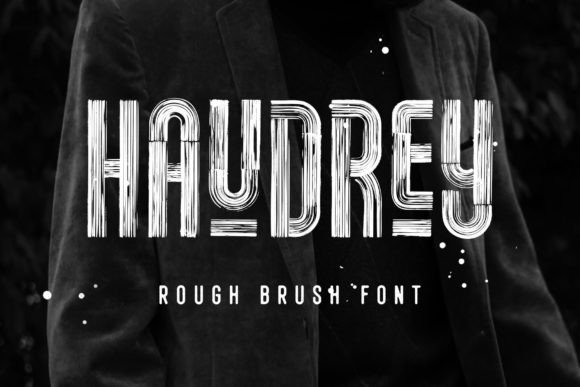
Haudrey: A Quirky and Versatile Dry Brush Display Font
For designers, marketers, and content creators seeking a distinctive visual identity, Haudrey stands out as a unique dry brush display font that blends character with functionality. Its unconventional style and practical encoding make it a compelling choice for a wide range of projects. Whether you're working on branding, editorial design, or digital media, Haudrey offers a fresh approach to typography that can elevate your work without overwhelming the viewer.
What Makes Haudrey Unique
Haudrey is more than just a font—it's a stylistic statement. The dry brush aesthetic gives it a handcrafted feel, making it ideal for projects that benefit from a personal or artistic touch. Unlike many fonts that aim for uniformity, Haudrey embraces subtle irregularities that add visual interest and depth. This makes it particularly effective in contexts where a sense of authenticity or creativity is desired.
One of Haudrey’s standout features is its PUA (Private Use Area) encoding. This means users can access all glyphs and ligatures without relying on complex keyboard layouts or special software. For professionals who value efficiency, this is a significant advantage. It allows for seamless integration into workflows, ensuring that the font’s full potential is accessible at a glance.
Key Characteristics and Practical Value
The font’s versatility is one of its greatest strengths. Haudrey performs well across various mediums, from print to digital formats. Its legibility remains consistent even at smaller sizes, making it suitable for headings, logos, and short text blocks. However, it’s important to note that Haudrey is best suited for display purposes rather than body text. Its expressive strokes may become distracting when used in long paragraphs.
In terms of usability, Haudrey is straightforward to implement. Most design software, including Adobe Creative Suite and Figma, supports PUA-encoded fonts without additional configuration. This reduces the learning curve for designers who want to experiment with the font’s distinct style. Additionally, Haudrey’s glyph set includes a variety of alternate characters and ligatures, offering flexibility for custom typographic compositions.
Real-World Applications and Performance
When considering real-world use, Haudrey excels in projects that require a bold, eye-catching presence. For example, it works well for magazine covers, social media graphics, and promotional materials where visual impact is key. Its quirky nature also makes it a strong candidate for creative campaigns targeting younger, more design-conscious audiences.
However, Haudrey’s strength lies in its ability to stand out without being overpowering. In a well-balanced design, it can serve as a focal point while complementing other elements. For instance, pairing Haudrey with a clean sans-serif font can create a dynamic contrast that draws attention without sacrificing readability.
Quality, Flexibility, and Long-Term Value
Haudrey maintains a high level of quality across different platforms and devices. Its consistent rendering ensures that designs look sharp and professional, regardless of the output medium. This reliability is crucial for professionals who need to deliver polished results under tight deadlines.
Flexibility is another area where Haudrey shines. The font’s extensive glyph set allows for creative experimentation, enabling designers to craft unique typographic solutions. Whether it’s a custom logo, a headline, or an illustrated title, Haudrey provides the tools needed to achieve a distinctive look.
From a long-term perspective, Haudrey offers solid value for those who prioritize originality in their work. While it may not be the go-to font for every project, its niche appeal makes it a valuable addition to any designer’s toolkit. Its enduring relevance depends on the evolving trends in visual communication, but its current popularity suggests it will remain a useful asset for years to come.
Who Benefits Most From Haudrey
Haudrey is particularly beneficial for creatives who want to differentiate their work through typography. Entrepreneurs launching new brands, marketers designing campaign assets, and educators creating engaging presentations can all find value in its unique style. Its adaptability also makes it a good fit for freelancers looking to offer clients a fresh alternative to standard fonts.
For small business owners, Haudrey can help establish a memorable brand identity. In industries such as fashion, art, and technology, where visual appeal is critical, the font’s expressive qualities can resonate with target audiences. It’s also a strong choice for hobbyists and independent creators who want to infuse their projects with personality and flair.
Considerations and Limitations
While Haudrey is highly versatile, it’s not without limitations. Its dry brush style may not align with all design aesthetics, particularly in more formal or traditional contexts. Users should consider the tone and audience of their project before incorporating Haudrey into their work.
Additionally, because of its stylized appearance, Haudrey may require careful pairing with other typefaces to avoid visual clutter. Designers should test it in different layouts to ensure it complements the overall composition rather than competing with it.
Final Thoughts
Haudrey is a font that rewards thoughtful application. Its quirky charm and technical advantages make it a compelling choice for designers seeking to add a unique touch to their work. Whether used as a headline, a logo, or part of a larger typographic system, Haudrey offers a balance of creativity and practicality that few fonts can match.
For professionals who value originality and efficiency, Haudrey represents a worthwhile investment. By understanding its strengths and limitations, users can harness its potential to enhance their visual storytelling and create more engaging designs. As the demand for distinctive typography continues to grow, Haudrey remains a relevant and effective tool in the designer’s arsenal.