Kingkan: A Strategic Choice for Unique Visual Communication
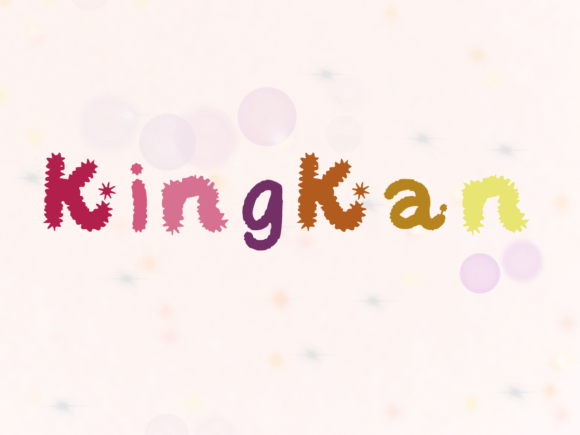
Kingkan is a distinctive display font that originates from the natural flow of handwriting, refined through the application of various brush techniques. This unique approach gives Kingkan a fresh, organic feel that sets it apart from standard typefaces. For professionals and creatives looking to make a lasting impression, Kingkan offers a powerful tool to elevate visual communication across multiple platforms.
Understanding Kingkan’s Strategic Value
At its core, Kingkan is more than just a font—it's a design decision with strategic implications. Its handwritten aesthetic can convey authenticity, creativity, and personalization, making it ideal for branding efforts that aim to stand out in a crowded market. Whether you're designing a logo, crafting a marketing campaign, or creating content for social media, Kingkan provides a visual identity that feels both modern and human.
Unlike generic fonts that blend into the background, Kingkan demands attention. This makes it particularly effective when used in contexts where differentiation is key, such as in packaging, signage, or promotional materials. By choosing Kingkan, you're not just selecting a typeface—you're making a statement about your brand's personality and values.
When to Use Kingkan: Practical Applications
Kingkan shines in situations where visual impact matters most. Consider using it for:
- Greeting cards—to add a personal touch that feels handcrafted
- Wedding invitations—to evoke warmth and individuality
- Marketing headlines—to capture attention and reinforce brand voice
- Product packaging—to create a memorable unboxing experience
- Social media posts—to enhance visual storytelling and engagement
Each of these use cases benefits from Kingkan’s ability to blend structure with spontaneity. However, its effectiveness depends on how well it aligns with your overall design strategy and audience expectations.
How to Approach Kingkan: Best Practices
Before incorporating Kingkan into your projects, consider the following steps:
- Define your purpose—ask yourself why you need a unique font. Is it to differentiate your brand, enhance readability, or create an emotional connection?
- Test it in context—experiment with different sizes, colors, and layouts to see how it performs in real-world scenarios.
- Balance with other elements—ensure that Kingkan complements rather than overwhelms other design components like images, spacing, and color schemes.
- Understand your audience—some audiences may prefer a more traditional look, while others appreciate creative expression. Tailor your use of Kingkan accordingly.
By approaching Kingkan with intention, you can maximize its impact without compromising clarity or professionalism.
Strategic Observations: Kingkan in Action
Businesses and creators who have successfully integrated Kingkan into their work often emphasize its role in reinforcing brand identity. For example, a small boutique might use Kingkan on its website and social media to communicate a sense of craftsmanship and care. Similarly, a freelance designer could use it in client proposals to showcase originality and attention to detail.
In educational settings, Kingkan can be used to create engaging learning materials that stand out from standard textbooks. Its visual appeal can help maintain student interest and support better information retention. In customer-facing environments, such as retail stores or service providers, Kingkan can enhance the customer experience by creating a cohesive and memorable brand presence.
Risks of Using Kingkan Without Clear Intent
While Kingkan is a powerful tool, it’s not a one-size-fits-all solution. Using it without a clear purpose can lead to confusion, reduced readability, or an unprofessional appearance. For instance, applying Kingkan to large blocks of text may make it difficult for readers to process information quickly. Similarly, overusing it across multiple elements of a design can dilute its impact and confuse the message.
The risk of misalignment between the font and the intended message is significant. If your brand communicates precision and reliability, a highly stylized font like Kingkan may not be the best choice. It’s important to evaluate whether the font supports your broader goals and resonates with your target audience.
Planning for Long-Term Value
To ensure that Kingkan contributes to long-term success, consider its role in your overall design strategy. Ask questions like:
- How does Kingkan fit into my brand’s visual language?
- Will it remain relevant as my business evolves?
- Can I consistently apply it across different mediums without losing quality?
By planning ahead, you can avoid last-minute adjustments and ensure that Kingkan remains a valuable asset over time. This includes investing in high-quality versions of the font and maintaining consistency in its usage across all platforms.
Decision-Making Guidance: When to Rely on Kingkan
Deciding when to use Kingkan requires a thoughtful evaluation of your needs and goals. Here are some guiding principles:
- When differentiation is a priority—use Kingkan to stand out in competitive markets.
- When emotional connection matters—leverage its expressive qualities to build rapport with your audience.
- When creativity is encouraged—employ it in projects that benefit from a fresh, unconventional approach.
- When branding is evolving—introduce Kingkan as part of a broader rebranding effort to signal change and innovation.
These considerations can help you make informed decisions that align with your strategic objectives and long-term vision.
Conclusion: Intentional Use of Kingkan for Better Outcomes
Kingkan is more than a font—it’s a strategic choice that can enhance your visual communication and support your broader goals. By using it intentionally, you can create a stronger brand presence, improve audience engagement, and achieve better results in your work. Whether you’re a marketer, designer, educator, or entrepreneur, Kingkan offers a versatile tool to express your unique voice and stand out in a competitive landscape.