Qirania: A Unique Blend of Calligraphy and Modern Typography
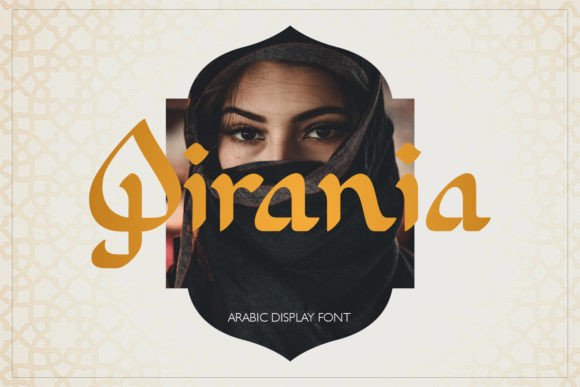
The Qirania font is a distinctive typeface that bridges the gap between traditional Arabic calligraphy and modern Latin script. Designed with an eye for elegance and cultural resonance, it brings the fluidity and artistry of Middle Eastern calligraphy into a format that is accessible to a global audience. This makes it particularly appealing for designers looking to incorporate Middle Eastern or Muslim themes into their work while maintaining readability across different languages.
What Makes Qirania Distinct?
Unlike many fonts that aim to replicate the visual style of Arabic script, Qirania is specifically crafted for Latin characters. This means it retains the ornamental qualities often associated with Arabic calligraphy but in a form that is easily legible and usable in international contexts. The design incorporates subtle flourishes, swashes, and curves that evoke the aesthetic of traditional scripts without compromising on clarity.
One of the key features of Qirania is its PUA (Private Use Area) encoding. This allows users to access all of the glyphs and decorative elements—such as alternate characters, ligatures, and swashes—without needing special software or keyboard layouts. This level of accessibility makes it a versatile choice for both digital and print projects.
Comparing Qirania to Similar Fonts
When considering alternatives, it's important to note that not all fonts that claim to be inspired by Arabic calligraphy are created equal. Some may use Latin characters but lack the nuanced details that give Qirania its unique character. Others may focus more on stylized aesthetics rather than practical usability.
Fonts like Amiri or Nafees are designed specifically for Arabic text and offer a more authentic experience for users working exclusively in Arabic. However, they are not suitable for Latin-based projects. On the other hand, fonts such as Kufi or Rozan provide a more stylized look but may not be as adaptable for broader design applications.
In contrast, Qirania offers a middle ground. It provides the visual appeal of calligraphy while remaining functional for a wide range of uses. This makes it a good option for designers who want to infuse their work with cultural flair without sacrificing readability or versatility.
Strengths and Best-Fit Situations
Qirania excels in situations where a touch of elegance and cultural authenticity is desired. It is particularly well-suited for branding, packaging, and editorial design that targets Middle Eastern or Muslim audiences. Its decorative elements can add a sense of sophistication to logos, headings, and titles, making it ideal for luxury or artisanal products.
For example, a fashion brand looking to create a collection inspired by Middle Eastern heritage might use Qirania for its product labels or promotional materials. Similarly, a travel website aiming to highlight destinations in the region could use the font to enhance the visual storytelling of its content.
Another strength of Qirania is its adaptability. Because it is based on Latin characters, it can be used in a variety of formats, including web design, mobile apps, and print media. This flexibility allows designers to integrate it seamlessly into their existing workflows without significant adjustments.
Tradeoffs and Limitations
While Qirania offers many advantages, it is not without its limitations. One potential drawback is that its ornate design may not be suitable for large blocks of text. The intricate details and swashes can make it difficult to read at smaller sizes or in dense paragraphs, which limits its use for body copy.
Additionally, because it is a specialized font, it may not be widely available in standard design software. Users may need to download and install it separately, which could be a barrier for those unfamiliar with font management tools. This also means that not all devices or platforms may support it, potentially affecting consistency across different mediums.
Finally, while Qirania is designed to be accessible through PUA encoding, some users may find the process of accessing all its glyphs and variations less intuitive compared to fonts with more straightforward licensing and distribution models.
When Qirania Is the Right Choice
Qirania is an excellent choice when the goal is to add a culturally resonant and visually striking element to a design. It is particularly effective for projects that require a balance between tradition and modernity, such as cultural events, educational materials, or artistic collaborations that blend different influences.
If a designer is looking for a font that can convey a sense of history and artistry while still being usable in a global context, Qirania is a strong contender. It is especially valuable for those who want to maintain a connection to Middle Eastern aesthetics without relying on non-Latin scripts.
When Other Options Might Be Better
For projects that require extensive use of Arabic text, alternative fonts designed specifically for that purpose will likely be more appropriate. Similarly, if the primary goal is to create a clean, minimalistic design, a simpler typeface may be more effective. In cases where high readability is essential—such as in signage or user interfaces—Qirania’s decorative elements may not be the best fit.
Designers should also consider the target audience. While Qirania can be powerful for certain demographics, it may not resonate with all viewers. For instance, a younger, more tech-savvy audience might prefer a more contemporary or streamlined font.
Conclusion: Making an Informed Decision
Qirania offers a unique blend of cultural inspiration and practical design, making it a compelling choice for a range of creative projects. Its ability to merge the elegance of Arabic calligraphy with the functionality of Latin characters sets it apart from many other fonts. However, its suitability depends on the specific needs of the project and the intended audience.
By understanding its strengths, limitations, and best-fit scenarios, designers can determine whether Qirania aligns with their goals. Whether used as a focal point in a logo or as a subtle enhancement in a larger design, Qirania has the potential to elevate the visual language of a project with its distinctive style.