The Timeless Charm of Pinekind: A Retro Script Font for Modern Creativity
In an era where digital design dominates every corner of our visual landscape, the allure of vintage aesthetics continues to captivate audiences. One such trend that has seen a resurgence is the use of retro script fonts—typefaces that evoke nostalgia while maintaining modern usability. Among these, Pinekind stands out as a bold and expressive choice, offering both designers and content creators a unique tool to infuse their work with a groovy, nostalgic flair. Whether you're crafting branding materials, social media posts, or editorial designs, Pinekind provides a bridge between past and present, blending timeless style with contemporary functionality.
What Is Pinekind?
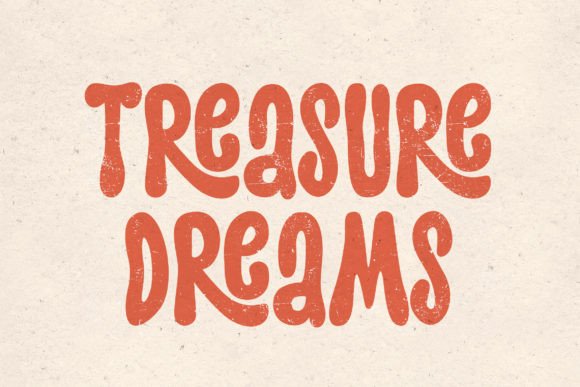
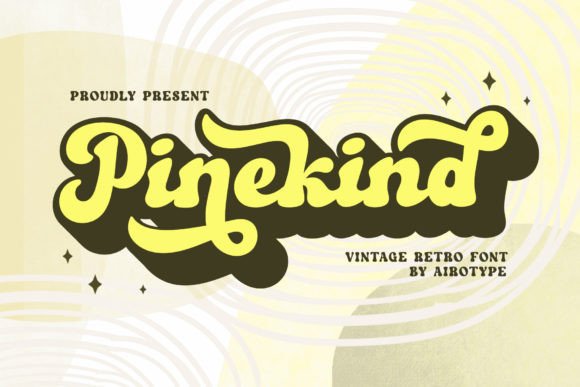
Pinekind is a retro-inspired script font characterized by its fluid curves, playful letterforms, and distinct edginess. It channels the spirit of 60s and 70s typography, where hand-drawn styles were often used in posters, album covers, and advertisements to convey energy, creativity, and individuality. Unlike many traditional script fonts that lean toward elegance or formality, Pinekind embraces a more casual, dynamic feel. Its characters are designed to look like they’ve been scrawled with confidence, making it ideal for projects that require a sense of movement and character.
One of Pinekind’s most notable features is its PUA encoding, which allows users to access a wide range of glyphs, ligatures, and alternate characters without the need for complex setup. This makes it particularly user-friendly for designers who want to experiment with stylistic variations but don’t have advanced typographic knowledge. The font is also optimized for readability at various sizes, ensuring it works well across different platforms—from print to web to mobile.
Retro Vibe Meets Contemporary Design Needs
The popularity of Pinekind can be attributed to the growing demand for fonts that reflect personality and authenticity in design. As brands and individuals seek to differentiate themselves in crowded markets, typefaces like Pinekind offer a way to stand out through distinctive visual storytelling. In industries ranging from fashion and music to food and travel, there's a clear shift toward embracing retro elements as part of a broader creative strategy.
A Nostalgic Response to Digital Uniformity
Modern design trends often prioritize minimalism and clean aesthetics. While this approach has its merits, it can sometimes lead to a homogenized look across different sectors. Pinekind offers a refreshing contrast by introducing warmth and human touch into otherwise sterile environments. Its organic, hand-lettered appearance helps break the monotony of sans-serif and serif typefaces, making it especially valuable for those aiming to create memorable, emotionally resonant content.
Aligning with Current Creative Trends
Creative professionals today are increasingly looking to blend eras and styles in innovative ways. The resurgence of vinyl records, vintage clothing, and retro gaming has created a cultural appetite for aesthetics that feel “authentic” and rooted in history. In graphic design, this translates to a preference for fonts that tell a story. Pinekind fits seamlessly into this trend, allowing designers to tap into the emotional resonance of the past while meeting the technical demands of the present.
Why People Are Paying Attention to Pinekind
The attention Pinekind has garnered is not just due to its aesthetic appeal—it’s also because it aligns with current workflows and tools used by professionals in the design industry. Here are some reasons why Pinekind is gaining traction:
- Unique Character Set: With a rich collection of alternates and ligatures, Pinekind gives designers flexibility to tailor text to specific moods or themes. This variety ensures that each project feels fresh and original.
- High Compatibility: Designed with PUA encoding, Pinekind integrates smoothly with major design software like Adobe Photoshop, Illustrator, and InDesign. This ease of use is crucial for professionals working on tight deadlines.
- Brand Identity Potential: Many startups and small businesses are leveraging Pinekind to craft brand identities that feel both classic and current. The font’s edgy yet warm tone helps establish a strong visual voice, especially in niches like lifestyle, entertainment, and artisanal products.
- Versatility Across Mediums: From logo design to packaging, event invitations to website headers, Pinekind adapts well to multiple applications. Its adaptability makes it a go-to font for multi-platform branding efforts.
Changing Preferences in Typography
Over the last decade, there has been a noticeable shift in how typography is perceived and utilized. Fonts are no longer just functional—they’re now central to the visual identity of a brand or message. This evolution has led to a greater appreciation for typefaces that carry personality and emotion. Pinekind taps into this shift perfectly, providing a means to express creativity beyond what standard fonts allow.
From Corporate to Casual
Businesses are moving away from overly formal fonts in favor of more approachable and engaging ones. This is especially true in industries that rely heavily on customer experience and community building. Pinekind, with its relaxed and charismatic style, supports this transition by helping brands appear more relatable and human. For instance, a boutique coffee shop might use Pinekind in its signage and menu to create a welcoming, old-school ambiance that appeals to customers seeking a break from the digital grind.
Personalization in Content Creation
Freelancers and content creators are also gravitating toward Pinekind for its ability to personalize their output. In a competitive market, standing out is essential. Using a font like Pinekind can add a signature style to illustrations, greeting cards, or even YouTube thumbnails, helping creators build a recognizable brand. Moreover, the font’s versatility allows it to be paired with more structured typefaces, creating visual harmony in compositions that balance creativity and clarity.
Practical Applications of Pinekind
While Pinekind is visually striking, its real value lies in how it enhances practical design outcomes. Let’s explore some real-world examples where Pinekind shines:
Logo Design and Branding
Many indie brands and creative agencies are using Pinekind to craft logos that embody a sense of rebellion or vintage charm. The font’s dynamic strokes and subtle imperfections make it feel handcrafted, which is perfect for niche markets that value authenticity. For example, a retro-themed record store could use Pinekind in its logo to immediately communicate its vibe and attract fans of analog culture.
Social Media and Marketing Materials
Marketing teams and social media managers are always on the lookout for eye-catching visuals. Pinekind can be used in promotional graphics, email campaigns, and Instagram banners to grab attention and spark curiosity. When used sparingly—for example, in call-to-action buttons or taglines—it adds a layer of sophistication without overwhelming the viewer. Its legibility at smaller sizes also makes it suitable for digital ads and short-form content.
Event Invitations and Merchandise
For event planners and merchandise designers, Pinekind brings a sense of fun and exclusivity to their work. Wedding invitations, festival posters, and limited-edition product packaging benefit greatly from the font’s nostalgic edge. Imagine a music festival flyer using Pinekind for the headline; it instantly evokes a retro rock concert atmosphere, setting the right tone before anyone even reads the details.
Editorial and Print Design
Magazines, zines, and book covers that focus on lifestyle, art, or culture often turn to Pinekind to highlight titles and pull quotes. The font adds texture and interest to layouts without sacrificing professionalism. When combined with a complementary sans-serif font, Pinekind can elevate the overall design while maintaining balance and hierarchy.
Connecting Pinekind to Larger Industry Shifts
The rise of Pinekind reflects broader shifts in the design industry and consumer behavior. As people become more visually literate, they begin to notice and appreciate the subtleties in typography. This awareness is driving demand for high-quality, expressive fonts that go beyond mere functionality. Additionally, the increasing popularity of hybrid design styles—where vintage meets futuristic or minimalist—has opened the door for fonts like Pinekind to thrive.
Font Licensing and Accessibility
Another factor contributing to Pinekind’s relevance is the evolving font licensing model. More designers are opting for accessible, affordable fonts that still deliver premium results. Pinekind, being available through various font platforms and marketplaces, caters to this need by offering a professional-grade option that doesn't require enterprise-level budgets. Its widespread availability also means it can be easily integrated into collaborative workflows, whether you're working with a team in Figma or sending files to a client for review.
Supporting Remote Work and Freelance Projects
With remote work becoming the norm, freelancers and entrepreneurs are constantly looking for tools that streamline their processes. Pinekind simplifies design decisions by providing a ready-made font that embodies a retro style without requiring custom illustration or hand-lettering. This efficiency is invaluable for creatives managing multiple clients or juggling diverse project types. The font’s compatibility with online design tools further supports this trend, enabling seamless integration into cloud-based workflows.
Conclusion
Pinekind is more than just a font—it’s a design statement that speaks to the evolving tastes of today’s audience. Its retro script style, enhanced by modern typographic features like PUA encoding, makes it a versatile and powerful asset for professionals across creative disciplines. As industries continue to embrace nostalgic aesthetics and personalized branding, Pinekind offers a compelling solution for those looking to infuse their work with character and charm.
Whether you're a designer, marketer, or entrepreneur, incorporating Pinekind into your toolkit can help you meet the changing expectations of your audience while staying ahead of the curve. By understanding the role of fonts in storytelling and brand identity, you can leverage Pinekind to create impactful, memorable designs that resonate in today’s fast-paced digital world.